The Delphic maxims are a collection of 147 axioms inscribed at Delphi. Originally said to have been given by Greek God Apollon to his Oracle at Delphi.
Stobaeus, a scholar of the 5th century, attributes them to the Seven Sages of Greece who are usually identified ( by Plato and others) as:
- Solon of Athens (c. 638 – 558 BCE) a famous legislator and reformer from Athens, framing the laws that shaped the Athenian democracy.
- Chilon of Sparta (fl. 6th century BCE) a Spartan politician to whom the militarization of Spartan society was attributed.
- Thales of Miletus (c. 624 – c. 546 BCE) is the first well-known philosopher, mathematician, and astronomer. His maxim, “Know thyself,” was engraved on the front facade of the Oracle of Apollo in Delphi.
- Bias of Priene (fl. 6th century BCE) was a politician and legislator known for being an advocate.
- Cleobulus of Lindos (fl. 6th century BCE) governed as tyrant of Lindos, in the Greek island of Rhodes.
- Pittacus of Mitylene (c. 640 – 568 BCE) governed Mytilene on the island of Lesbos. He tried to reduce the power of the nobility and was able to govern with the support of the popular classes, whom he favored.
- Periander of Corinth (fl. 627 BCE) was the tyrant of Corinth in the 7th and 6th centuries BCE. Corinth saw a golden age of unprecedented stability during his rule.
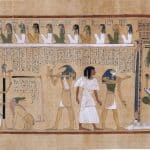
All of these men were 6th Century BC contemporaries and as the written papyrus states, they were summoned by the Oracles to Delphi to convene over these axioms.
While some modern scholars argue that their original authorship is uncertain and that “most likely they were popular proverbs that were later ascribed to particular sages”, there is no evidence of that. There has been nothing written to suggest that these maxims were somehow a collection of ancient proverbs and sayings passed down through some oral tradition over thousands or even hundreds of years.
We have to notice that the Greek word that translated as “Maxims” is “Παραγγέλματα”(paragelmata) which literally means “messages”. So, the Maxims are not to be taken as commandments. We have to consider them more as guidelines and advice which leads to the ideal goal of all Greek philosophy, the achievement of Eudemonia.
Despite the disagreement about the origin, everyone agrees the Delphic Maxims are real pearls of wisdom.

| 1. Follow God | Ἕπου θεῷ |
| 2. Obey the law | Νόμῳ πείθου |
| 3. Honor the Gods | Θεους σέβου |
| 4. Respect your parents | Γονεῖς αἰδοῦ |
| 5. Be overcome by justice | Ἡττῶ ὑπό δικαίου |
| 6. Know what you have learned | Γνῶθι μαθών |
| 7. Perceive what you have heard | Ἀκούσας νόει |
| 8. Be/Know yourself | Σαυτόν ἴσθι |
| 9. Intend to get married | Γαμεῖν μέλλε |
| 10. Know your opportunity | Καιρόν γνῶθι |
| 11. Think as a mortal | Φρόνει θνητά |
| 12. If you are a stranger act like one | Ξένος ὢν ἴσθι |
| 13. Honor the hearth [or Hestia] | Ἑστίαν τίμα |
| 14. Control yourself | Ἄρχε σεαυτοῦ |
| 15. Help your friends | Φίλοις βοήθει |
| 16. Control anger | Θυμοῦ κράτει |
| 17. Exercise prudence | Φρόνησιν ἄσκει |
| 18. Honor providence | Πρόνοιαν τίμα |
| 19. Do not use an oath | Ὅρκῳ μή χρῶ |
| 20. Love friendship | Φιλίαν ἀγάπα |
| 21. Cling to discipline – education | Παιδείας ἀντέχου |
| 22. Pursue honor – good reputation | Δόξαν δίωκε |
| 23. Long for wisdom | Σοφίαν ζήλου |
| 24. Praise the good | Καλόν εὖ λέγε |
| 25. Find fault with no one | Ψέγε μηδένα |
| 26. Praise virtue | Ἐπαίνει ἀρετήν |
| 27. Act justly – righteously | Πρᾶττε δίκαια |
| 28. Be kind to friends | Φίλοις εὐνόει |
| 29. Watch out for your enemies – hateful people | Ἐχθρούς ἀμύνου |
| 30. Exercise nobility of character | Εὐγένειαν ἄσκει |
| 31. Keep yourself away from moral badness | Κακίας ἀπέχου |
| 32. Be impartial | Κοινός γίνου |
| 33. Guard what is yours | Ἴδια φύλαττε |
| 34. Hold yourself from what belongs to others | Αλλοτρίων ἀπέχου |
| 35. Listen to everyone | Ἄκουε πάντα |
| 36. Be (religiously) silent | Εὔφημος ἴοθι |
| 37. Do a favor for a friend | Φίλῳ χαρίζου |
| 38. Nothing to excess | Μηδέν ἄγαν |
| 39. Use time sparingly | Χρόνου φείδου |
| 40. Foresee the future | Ὅρα τό μέλλον |
| 41. Despise insolence | Ὕβριν μίσει |
| 42. Have respect for suppliants | Ἱκέτας αἰδοῦ |
| 43. Adapt yourself to all things | Πᾶσιν ἁρμόζου |
| 44. Educate your sons | Υἱούς παίδευε |
| 45. When you have, give freely | Ἔχων χαρίζου |
| 46. Fear deceit | Δόλον φοβοῦ |
| 47. Speak well of everyone | Εὐλόγει πάντας |
| 48. Be a seeker of wisdom | Φιλόσοφος γίνου |
| 49. Choose what is divine | Ὅσια κρῖνε |
| 50. Act when you know | Γνούς πρᾶττε |
| 51. Shun murder | Φόνου ἀπέχου |
| 52. To wish with all the strength of your soul | Εὔχου δυνατά |
| 53. Consult the wise | Σοφοῖς χρῶ |
| 54. Test the character | Ἦθος δοκίμαζε |
| 55. Give back what you have received | Λαβών ἀπόδος |
| 56. View no one with jealousy or with suspicion | Ὑφορῶ μηδένα |
| 57. Use your skill | Τέχνῃ χρῶ |
| 58. Do what you mean to do | Ὃ μέλλεις, δός |
| 59. Honor a benefaction | Εὐεργεσίας τίμα |
| 60. Bear a grudge against no one | Φθόνει μηδενί |
| 61. Be on your guard | Φυλακῇ πρόσεχε |
| 62. Praise hope | Ἐλπίδα αἴνει |
| 63. Hate slander | Διαβολήν μίσει |
| 64. Gain possessions justly | Δικαίως κτῶ |
| 65. Honor good men | Ἀγαθούς τίμα |
| 66. Know who is judging | Κριτήν γνῶθι |
| 67. Safeguard the marriage | Γάμους κράτει |
| 68. Acknowledge fate | Τύχην νόμιζε |
| 69. Avoid pledges | Ἐγγύην φεῦγε |
| 70. Speak plainly | Ἁπλῶς διαλέγου |
| 71. Associate with your peers | Ὁμοίοις χρῶ |
| 72. Govern your expenses | Δαπανῶν ἄρχου |
| 73. Be happy with what you have | Κτώμενος ἥδου |
| 74. Rever a sense of shame | Αἰσχύνην σέβου |
| 75. Fulfill a favor | Χάριν ἐκτέλει |
| 76. Pray for happiness | Εὐτυχίαν εὔχου |
| 77. Accept destiny | Τύχην στέργε |
| 78. Observe what you have heard | Ἀκούων ὅρα |
| 79. Work for what you can own | Ἐργάζου κτητά |
| 80. Despise strife | Ἔριν μίσει |
| 81. Detest disgrace | Ὄνειδος ἔχθαιρε |
| 82. Restrain the tongue | Γλῶτταν ἴσχε |
| 83. Keep yourself from insolence | Ὕβριν ἀμύνου |
| 84. Make just judgments | Κρῖνε δίκαια |
| 85. Use what you have | Χρῶ χρήμασιν |
| 86. Judge incorruptibly | Ἀδωροδόκητος δίκαζε |
| 87. Accuse one who is present | Αἰτιῶ παρόντα |
| 88. Tell when you know | Λέγε εἰδώς |
| 89. Do not depend on strength | Βίας μή ἔχου |
| 90. Live without sorrow | Ἀλύπως βίου |
| 91. Live together meekly | Ὁμίλει πρᾴως |
| 92. Don’t hesitate to finish fully what you have started | Πέρας ἐπιτέλει μή ἀποδειλιῶν |
| 93. Deal kindly with everyone | Φιλοφρόνει πᾶσιν |
| 94. Do not curse your sons | Υἱοῖς μή καταρῶ |
| 95. Lead your wife – Show her the way | Γυναικός ἄρχε |
| 96. Benefit yourself | Σεαυτόν εὖ ποίει |
| 97. Be courteous and approachable | Εὐπροσήγορος γίνου |
| 98. Give a timely response | Ἀποκρίνου ἐν καιρῷ |
| 99. Struggle with good repute | Πόνει μετ’ εὐκλείας |
| 100. Act without repenting, with confidence | Πρᾶττε ἀμετανοήτως |
| 101. Repent of sins | Ἁμαρτάνων μετανόει |
| 102. Control the eye | Ὀφθαλμοῦ κράτει |
| 103. Give a timely counsel | Βουλεύου χρόνῳ |
| 104. Act quickly | Πρᾶττε συντόμως |
| 105. Guard friendship | Φιλίαν φύλαττε |
| 106. Be grateful | Εὐγνώμων γίνου |
| 107. Pursue harmony | Ὁμόνοιαν δίωκε |
| 108. Don’t disclose secrets. | Ἄρρητον κρύπτε |
| 109. Fear ruling | Τό κρατοῦν φοβοῦ |
| 110. Pursue what is profitable | Τό συμφέρον θηρῶ |
| 111. Accept due measure | Καιρόν προσδέχου |
| 112. Do away with enmities | Ἔχθρας διάλυε |
| 113. Accept old age | Γῆρας προσδέχου |
| 114. Do not boast in might | Ἐπί ῥώμῃ μή καυχῶ |
| 115. Practice auspicious speech | Εὐφημίαν ἄσκει |
| 116. Flee enmity | Ἀπέχθειαν φεῦγε |
| 117. Acquire wealth justly | Πλούτει δικαίως |
| 118. Do not abandon good reputation | Δόξαν μή λεῖπε |
| 119. Despise evil | Κακίαν μίσει |
| 120. Venture into danger prudently | Κινδύνευε φρονίμως |
| 121. Do not tire of learning | Μανθάνων μή κάμνε |
| 122. Do not stop to be thrifty | Φειδόμενος μή λεῖπε |
| 123. Admire oracles | Χρησμούς θαύμαζε |
| 124. Love whom you rear | Οὓς τρέφεις, ἀγάπα |
| 125. Do not oppose someone absent | Ἀπόντι μή μάχου |
| 126. Respect the elder | Πρεσβύτερον αἰδοῦ |
| 127. Teach a youngster | Νεώτερον δίδασκε |
| 128. Do not trust wealth | Πλούτῳ ἀπίστει |
| 129. Respect yourself | Σεαυτόν αἰδοῦ |
| 130. Do not begin to be insolent | Μή ἄρχε ὑβρίζειν |
| 131. Honor your ancestors | Προγόνους στεφάνου |
| 132. Die for your country | Θνῆσκε ὑπέρ πατρίδος |
| 133. Do not be discontented by life | Τῷ βίῳ μή ἄχθου |
| 134. Do not make fun of the dead | Ἐπί νεκρῷ μή γέλα |
| 135. Share the load of the unfortunate | Ἀτυχοῦντι συνάχθου |
| 136. Gratify without harming | Χαρίζου ἀβλαβῶς |
| 137. Don’t worry about everything | Μή ἐπί παντί λυποῦ |
| 138. Beget from noble routes | Ἐξ εὐγενῶν γέννα |
| 139. Make promises to no one | Ἐπαγγέλλου μηδενί |
| 140. Do not wrong the dead | Φθιμένους μή ἀδίκει |
| 141. Be well off as a mortal | Εὖ πάσχε ὡς θνητός |
| 142. Do not trust fortune | Τύχῃ μή πίστευε |
| 143. As a child be well-behaved | Παῖς ὢν κόσμιος ἴσθι |
| 144. As a youth – self-disciplined | Ἡβῶν ἐγκρατής |
| 145. As of middle-age – just | Μέσος δίκαιος |
| 146. As an old man – sensible | Πρεσβύτης εὔλογος |
| 147. On reaching the end – without sorrow | Τελευτῶν ἄλυπος |
Stay in Touch
 Join our newsletter by using the forms on this website or click here!
- Follow us on Google News
- Follow us on Facebook


Source: The Commandments of the Seven (the copy of Sosiades preserved by Stobaeus).
Featured Image by Pixabay.com
Check out our recommendations at “Philosophy Bookshelf” and many free resources at our “Free Library“