Across centuries and continents, religions have not evolved in isolation—they have grown through contact, adaptation, and cultural exchange. Rather than erasing older customs, emerging faiths often absorbed them, reshaping familiar rituals into new spiritual expressions. This blending wasn’t accidental. It was a powerful means of building community and continuity, allowing people to embrace new beliefs without abandoning the rhythms and celebrations that gave meaning to their lives.
As Christianity spread across Europe and beyond, it encountered deeply rooted pagan traditions connected to the land, the seasons, and the cycles of life. Instead of erasing these customs, many were transformed, given Christian symbolism, and woven into the liturgical year.
This fusion created something enduring: a shared spiritual heritage that bridges ancient nature reverence with the evolving theology of Christian worship. Even today, when we gather around a Christmas tree or decorate with evergreen garlands, we are participating in rituals that have traveled across millennia—shaped by winter solstice fears, the promise of returning light, and the celebration of divine birth.
Why Pagan Influences Matter in the Modern World
Understanding these pagan influences is not merely a historical curiosity—it sheds light on how human beings have always sought connection with the sacred through the natural world. These traditions reveal universal themes: the hope for renewal, gratitude for the harvest, reverence for the turning seasons, and the mystery of life and death. In a time when spirituality is increasingly personal and diverse, recognizing the layered origins of modern holidays helps us appreciate their deeper meaning beyond commercial or cultural habit.
This awareness also fosters respect between belief systems. It shows that religions have never been rigid walls but living rivers, flowing into each other, reshaping landscapes as they go. Whether approached from a Christian, pagan, or secular perspective, the festivals many celebrate today are a testament to humanity’s shared heritage—a story of adaptation, unity, and the enduring power of ritual.
The Roots of Pagan Celebrations
Before the rise of organized religion, human life was inseparable from the land. Survival depended on understanding the changing seasons, predicting the weather, and ensuring a successful harvest. Early communities marked these turning points of the year with sacred festivals that honored natural forces believed to control life and death. These were not merely celebrations—they were acts of survival and spiritual insurance. To honor the earth was to protect the community.
Festivals aligned with planting, harvesting, hunting, and the return of the sun after the dark winter. People lit bonfires to call back the light, offered grains to ensure future crops, and held feasts to thank the gods for food that would carry them through harsh seasons. Nature was not seen as a backdrop but as a living, divine presence that demanded respect and participation through ritual.
The Role of Seasonal Cycles in Spiritual Tradition
Seasonal cycles were the spiritual heartbeat of ancient life. The year itself became a sacred story: birth in spring, maturation in summer, decline in autumn, and death in winter—only to be reborn again. Each festival marked a chapter in this ongoing narrative. These cycles gave people a sense of order in an unpredictable world and connected their daily work to cosmic rhythms.
Solstices and equinoxes were especially significant. The longest night and longest day were moments when the veil between the human world and the divine seemed to thin. Communities believed that divine powers were most accessible during these thresholds, making them ideal times for worship, prophecy, and renewal rituals.
Sun, Harvest, and Fertility as Sacred Forces
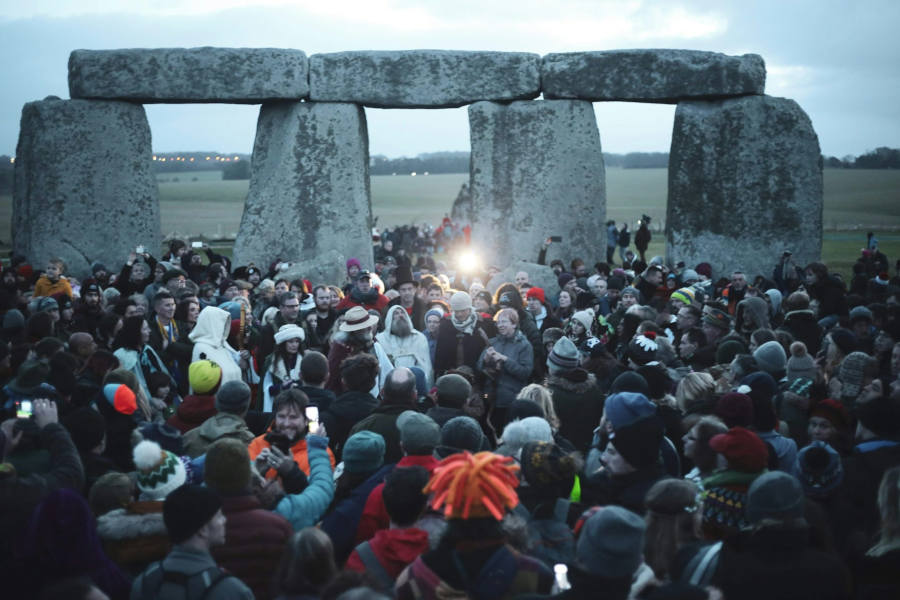
For early cultures, the sun was life itself. It dictated crop growth, animal behavior, and human wellbeing. As a result, solar worship was central to many pagan traditions. The sun’s decline in winter sparked fear of eternal darkness, leading to rituals meant to strengthen its return. Conversely, the height of summer was celebrated with fire festivals that symbolized the sun’s full power.
Harvest festivals were equally vital. A successful harvest meant life; failure meant starvation. Ancient peoples thanked fertility deities—often represented by goddesses of the earth or gods of grain—with offerings of the first fruits, corn offerings, and sacred dances. Fertility rituals extended beyond crops to include the fertility of animals and humans, as the continuation of life in all forms was viewed as a divine blessing that had to be cultivated through sacred practice.
These early celebrations were not random superstition—they were expressions of humanity’s intimate relationship with the natural world, a relationship built on reverence, gratitude, and awe. Many of these pagan customs would later form the foundation of Christian feast days, continuing their legacy in new spiritual forms.
| Pagan Festival | Region/Origin | Christian Festival | Key Adapted Elements |
| Yule | Germanic/Norse | Christmas | Evergreen trees, Yule log, holly, mistletoe |
| Saturnalia | Roman | Christmas | Feasting, gift-giving, merrymaking |
| Ēostre | Anglo-Saxon | Easter | Eggs, fertility symbols, springtime renewal |
| Samhain | Celtic | All Saints’ Day / Halloween | Bonfires, costumes, honoring the dead |
| Harvest Festivals | Various European cultures | Thanksgiving / Harvest Sunday | Feasts, cornucopia, first-fruits offerings |
| Summer Solstice | Northern Europe | Feast of St. John | Bonfires, dances, sun rituals |
The Rise of Christianity and Cultural Integration
As Christianity began to spread beyond its origins in the Middle East, it encountered a rich tapestry of pagan cultures across Europe, North Africa, and Asia Minor. These societies were deeply rooted in ancestral traditions that honored local gods, sacred groves, and seasonal deities.
Conversion was rarely achieved through force alone. Instead, Christian leaders recognized that to truly reach the hearts of the people, they needed to meet them within their cultural context. Missionaries learned local languages, observed regional customs, and slowly introduced Christian teachings in ways that resonated with the rhythms of everyday life.
Rather than outright condemning all pagan practices, early Christian leaders often chose adaptation as a strategy for conversion. They replaced pagan temples with churches, reinterpreted sacred wells and groves as sites honoring saints, and aligned Christian holy days with existing pagan festivals.
This approach allowed new converts to retain familiar celebrations, but within a revised spiritual framework. By preserving the outward form of beloved rituals while transforming their meanings, Christianity established itself not as a foreign imposition, but as a fulfillment of ancient hopes and prophecies.
Embracing Local Customs to Spread the Faith
Conversion was not only a matter of belief—it was a communal experience. Pagan festivals brought entire villages together, strengthening social bonds through feasting, song, and ritual.
Christian leaders wisely recognized the importance of these gatherings. Instead of banning them, they transformed them into Christian feast days, dedicating them to saints or biblical events. Customs such as processions, bonfires, and offerings were retained but given new religious symbolism. This cultural integration allowed Christianity to grow organically, blending the sacred stories of the Bible with the living traditions of the people.
Through this process, Christianity did not erase pagan culture—it absorbed and transformed it. The result was a faith that reflected the spiritual DNA of diverse communities while uniting them under a shared religious identity.

Winter Solstice and the Birth of Christmas
Long before Christmas lights brightened winter streets, the Germanic peoples marked the darkest time of the year with Yule—a festival of fire, feasting, and renewal. The Winter Solstice signified the turning point when the sun’s light began its slow return after months of darkness.
Bonfires blazed to symbolize the rebirth of the sun, and evergreen branches decorated homes as emblems of life’s endurance through the cold. Families gathered for great feasts, honoring deities associated with light and fertility, and sharing in community warmth against the frozen landscape.
The Yule log, once a massive tree trunk burned for days, carried both practical and spiritual significance. Each crackle and spark was thought to hold a blessing for the coming year. As Christianity spread into Northern Europe, this deeply rooted solstice celebration was not eradicated—it was transformed. The spiritual focus shifted from the rebirth of the sun to the birth of the Son, intertwining nature’s cycle with the Christian story of divine incarnation.
Saturnalia: Rome’s Festival of Joy and Reversal
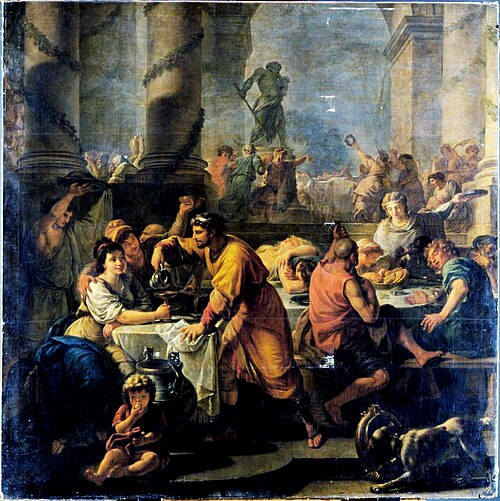
In the heart of the Roman Empire, Saturnalia was a beloved festival dedicated to Saturn, the god of agriculture and time. Celebrated in mid-December, it was a time of unrestrained joy and social inversion. Slaves dined with masters, gambling was permitted, and the streets rang with laughter and song. Homes were decorated with greenery, candles glowed in every corner, and gifts were exchanged as symbols of friendship and goodwill.
When Christianity began to flourish within the empire, Saturnalia posed both a challenge and an opportunity. The Church saw in it an echo of generosity and joy that could be reinterpreted within a Christian framework. Rather than abolish these cherished customs, Christian leaders redirected their focus toward celebrating the birth of Christ—a moment of hope and divine renewal.
Why December 25 Became Christmas Day
The exact date of Jesus’ birth was never recorded in the Bible, but by the fourth century, the Church officially fixed Christmas on December 25. This date closely aligned with both the Roman festival of Sol Invictus (“The Unconquered Sun”) and northern Yule festivities. The symbolism was clear and powerful: just as the sun overcame the longest night, Christ was proclaimed as the “Light of the World” who conquered spiritual darkness.
This alignment was not coincidence—it was strategy. By placing Christmas atop existing solstice festivals, Christianity offered converts continuity and familiarity. The people could celebrate as they always had, but with renewed meaning centered on divine light and salvation.
Pagan Symbols Reimagined in Christian Celebration
As Christmas took root, many pagan symbols were adopted and reinterpreted:
- Evergreen Trees: Once symbols of eternal life during Yule, they became reminders of everlasting life in Christ.
- Holly and Ivy: Associated with protection and fertility in pagan lore, holly came to represent Christ’s crown of thorns, with its red berries symbolizing his blood.
- Mistletoe: A sacred plant to the Druids, believed to hold healing power, it evolved into a symbol of love and reconciliation.
- Yule Log: Originally burned to honor the sun’s rebirth, it later represented Christ as the spiritual light in the darkness.
Through these transformations, the heart of ancient solstice rituals did not disappear—it was reborn within a new religious narrative. Christmas became a profound fusion of nature’s renewal and divine incarnation.
| Century | Event | Pagan Festival | Christian Adaptation |
| 4th c. CE | Establishment of Christmas | Yule / Saturnalia | December 25 chosen for Christ’s birth |
| 9th c. CE | All Saints’ Day instituted | Samhain | November 1 for saints, Nov 2 for souls |
| Medieval Europe | Harvest celebrations | Pagan harvest rites | Harvest Home / Thanksgiving services |
| Middle Ages | St. John’s Day | Summer Solstice | June 24 feast, bonfires retained |
Easter: A Blend of Resurrection and Rebirth
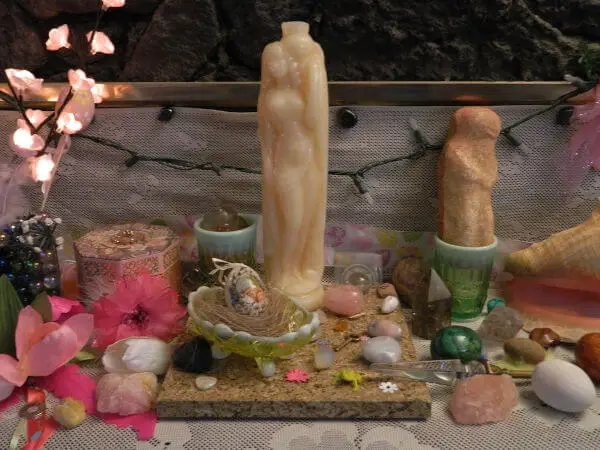
Long before Easter celebrated the resurrection of Christ, many pagan cultures honored the arrival of spring with festivals dedicated to renewal and life. In Anglo-Saxon tradition, the goddess Ēostre (or Ostara) was celebrated during the spring equinox. She was associated with dawn, new beginnings, and the awakening of nature.
As ice melted and flowers emerged, people gathered to welcome the return of light and fertility to the earth. These springtime rituals focused on the triumph of life over the dormancy of winter—an idea that would later parallel the Christian message of resurrection.
Seasonal renewal was not merely symbolic for ancient communities; it was essential for survival. Successful planting meant the difference between abundance and famine, making springtime deeply sacred. Communities lit fires to honor the sun, held feasts with seasonal foods, and performed rituals to invoke blessings on crops, animals, and households.
Eggs and Rabbits: Symbols of Fertility and Life
Eggs and rabbits—now iconic symbols of Easter—have roots in ancient fertility traditions. Eggs were seen as vessels of creation, containing the potential for new life. Decorating and gifting eggs in the spring was a way to honor the earth’s renewal and invoke prosperity for the season ahead. Similarly, rabbits and hares, known for their extraordinary fertility, were associated with the goddess Ēostre and believed to be her sacred animals. Their rapid reproduction made them powerful symbols of life’s unstoppable force, an affirmation that nature would once again flourish.
These symbols were not originally tied to any religious doctrine. They were intuitive expressions of the human relationship with the natural world—hope, abundance, and continuity embodied in the cycles of birth and growth.
From Pagan Rebirth to Christian Resurrection
As Christianity spread into pagan territories, early Church leaders recognized the spiritual significance of spring festivals. Rather than abolish them, they aligned the celebration of Christ’s resurrection with these existing themes of life overcoming death. Easter was placed close to the spring equinox, ensuring that its message resonated deeply with the season’s natural symbolism.
The resurrection of Jesus was presented as the divine fulfillment of humanity’s ancient longing for renewal. Where pagan traditions celebrated the rebirth of nature, Christianity proclaimed the rebirth of the soul. Spring’s blooming flowers and lengthening days became visual metaphors for salvation and eternal life. Over time, eggs and rabbits were reinterpreted—not as symbols of nature worship, but as emblems of the new life offered through Christ.
In this fusion, Easter became a bridge between earthly and heavenly rebirth, carrying forward ancient customs while transforming their meaning.
All Hallows and the Transformation of Samhain
For the ancient Celts, Samhain marked the end of the harvest season and the beginning of the dark half of the year. It was believed that during this liminal time—the night of Samhain—the veil between the physical world and the spirit realm grew thin. Ancestral spirits were thought to return to visit their families, while other supernatural beings roamed freely. This wasn’t a festival of fear, but of reverence. It acknowledged death as a natural part of life’s cycle and sought protection and blessing during the coming winter.
The transition from light to darkness held deep spiritual significance. Communities believed this was a sacred moment when guidance from the spirit world could be received and fate determined for the year ahead.
To honor the dead and ward off harmful spirits, great communal bonfires were lit on hillsides. These fires symbolized purification, protection, and the sun’s power to sustain life through the winter. People extinguished their home hearths and relit them from the sacred bonfire to bring divine blessing into their homes.
Offerings of food and drink were left outside for wandering spirits. Masks and disguises were worn to either honor the dead or confuse malevolent beings. Divination rituals—such as scrying, apple bobbing, and interpreting omens—were common as people sought insight into the future. Samhain was both a celebration and a spiritual negotiation with the unseen world.
Transformation into All Saints’ Day and Halloween
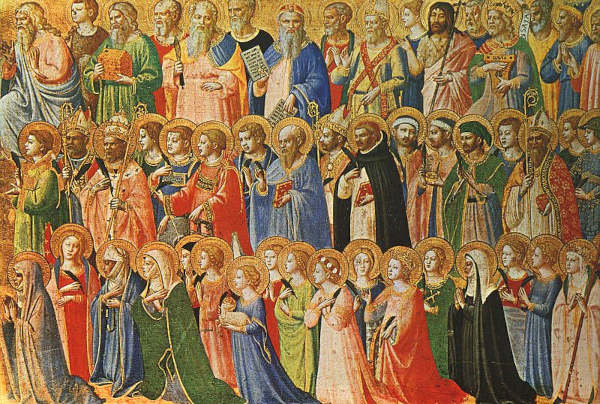
As Christianity spread into Celtic regions, Church leaders recognized the deep cultural importance of Samhain. Instead of trying to eliminate it, they redefined it. In the 9th century, the Church established All Saints’ Day on November 1 to honor Christian martyrs and saints, and All Souls’ Day on November 2 to pray for the departed. The evening before became All Hallows’ Eve, which later evolved into Halloween.
Much of the original Samhain spirit endured beneath new Christian meanings:
- Bonfires became part of All Hallows celebrations.
- Prayers for souls replaced pagan offerings.
- Costumes and masks continued as a way to navigate the spirit world.
- Trick-or-treating emerged from the tradition of “souling,” where the poor visited homes offering prayers for the dead in exchange for food.
Through this transformation, Samhain’s focus on death, remembrance, and the unseen world was preserved—reshaped to fit Christian theology while retaining its seasonal and spiritual depth.
Harvest Festivals and Thanksgiving Roots
In ancient agrarian societies, the harvest was not merely an economic event—it was a sacred moment of gratitude and relief. After months of labor and the constant threat of famine, communities gave thanks to the gods who governed the land, the sun, and the rain. Pagan harvest festivals celebrated this abundance with offerings to deities such as Demeter in Greece, Ceres in Rome, and various earth goddesses across Celtic and Germanic cultures. These rituals acknowledged divine partnership in human survival. People believed that by honoring the gods at the harvest’s end, they ensured prosperity for the next growing season.
Festivals were marked by communal joy: dancing, storytelling, and symbolic sacrifices of the “first fruits”—the earliest portion of the harvest—offered back to the divine powers as a sign of respect and continued hope.
Feasts, Cornucopias, and Seasonal Offerings
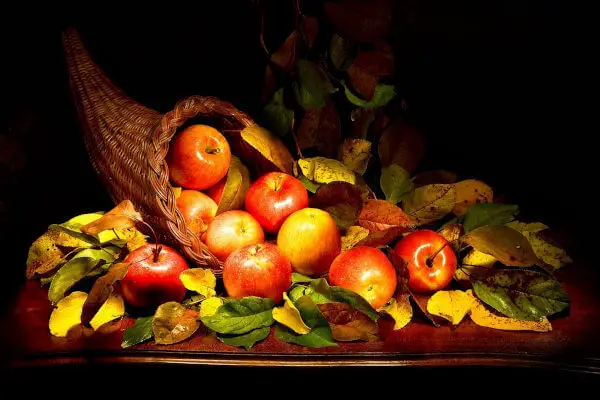
The symbolic language of harvest festivals centered around abundance. The cornucopia, or horn of plenty, overflowed with grains, fruits, and vegetables, representing the earth’s generosity. Feasts were held outdoors or in communal halls, where every dish reflected the success of the season—fresh bread, roasted meats, apples, pumpkins, and grains. Seasonal decorations such as wheat sheaves, gourds, and corn dollies were displayed not as aesthetic choices, but as spiritual offerings symbolizing life, death, and rebirth.
Even the act of gathering to share a meal held spiritual power. By eating the fruits of the land together, communities reaffirmed their connection to the earth, to each other, and to the gods who sustained them.
Adoption of Harvest Traditions in Christian Practice
As Christianity spread into agricultural populations, the Church recognized both the necessity and popularity of these seasonal celebrations. Instead of abolishing them, Christian leaders reinterpreted harvest rites as acts of thanksgiving to God. Pagan offerings became church blessings of the crops. Harvest feasts were transformed into Thanksgiving services, where communities gathered to thank the Christian God for His providence.
In medieval Europe, Harvest Home festivals celebrated the final gathering of crops with hymns, processions, and decorated churches. The cornucopia remained a symbol—but now of God’s grace rather than a pagan goddess. In colonial America, the Thanksgiving tradition took root as a blend of European harvest festivals and Native American agricultural rituals. It echoed the same ancient impulse: to pause, to give thanks, and to recognize the sacredness of sustenance.
These blended traditions persist today. Whether celebrated in a church, around a dinner table, or in a community gathering, the spirit of the ancient harvest festival lives on—reminding us that gratitude for the earth’s bounty is one of humanity’s oldest and most unifying practices.
Midsummer and the Feast of St. John
For ancient pagan communities, the summer solstice marked the height of the sun’s power. It was the longest day of the year—a moment when the life-giving force of light reached its peak. This was not only a calendrical event but a sacred turning point in the spiritual year. People believed the veil between the physical and divine realms thinned during the solstice, allowing blessings, protection, and healing energy to flow into the world. Celebrations were held in open fields, on hilltops, and near sacred springs, where communities honored sun deities and the fertility of the earth.
The solstice represented a climax of abundance: crops were maturing, animals were strong, and the natural world was at its most vibrant. Rituals were designed to harness this power and ensure its continuation in the months to come.
Bonfires, Dancing, and Nature Worship
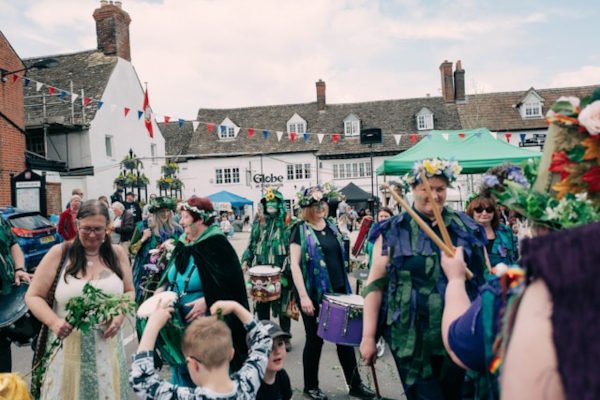
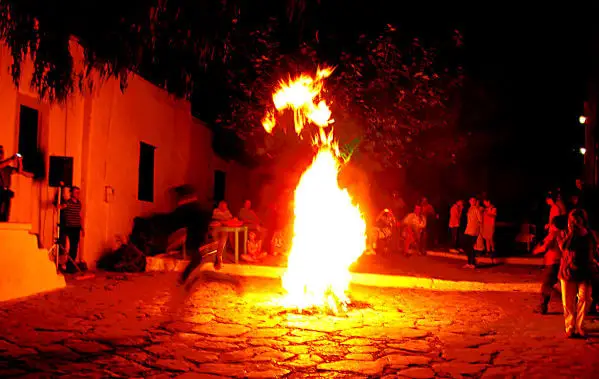
Bonfires were central to solstice celebrations. Fire symbolized the sun and was believed to possess purifying and protective qualities. People jumped through the flames for good fortune, drove their cattle around the fire to bless the herds, and used smoke and embers to bring prosperity into their homes. Dancing around the bonfire was more than festivity—it was a sacred act of aligning human energy with the rhythms of nature.
Floral crowns, believed to carry magical protection and the essence of nature spirits, were worn during rituals. Herbs gathered during Midsummer were thought to hold enhanced healing power, especially if collected at dawn when dew covered the fields. This was a time when nature was alive, animated, and spiritually charged.
The Christian Transformation into St. John’s Day
As Christianity spread across pagan territories, Church authorities sought to integrate beloved solstice traditions into the Christian calendar. Rather than eliminate these celebrations, they reinterpreted them through a Christian lens. The summer solstice festival was transformed into the Feast of St. John the Baptist, celebrated on June 24—symbolically placed near the solstice to align the fading daylight with John’s words about Christ: “He must increase, but I must decrease.”
Bonfires remained part of the celebration, now referred to as “St. John’s fires,” symbolizing the light of Christ entering the world. Traditional dances and gatherings continued but were blessed by the Church and accompanied by hymns or scripture readings. Herbs and flowers gathered at this time were said to carry the saint’s blessing rather than the power of pagan spirits.
In this transformation, the essence of Midsummer remained intact—community, nature, light, and spiritual renewal—while its meaning was reinterpreted to honor a Christian prophet. The Feast of St. John became a perfect example of how Christianity did not abolish pagan traditions but absorbed and sanctified them, preserving their vitality for generations to come.
The Role of Saints and Local Traditions
As Christianity spread through Europe, it encountered diverse cultures with deeply rooted seasonal festivals and local deities. Rather than force conversions by stripping away beloved customs, Church leaders strategically replaced these celebrations with feast days dedicated to Christian saints. Each saint’s day was often aligned with the timing and themes of an older pagan festival. A goddess of healing might be replaced by a saint known for miracles, or a god of the harvest would be substituted by a patron saint of agriculture. This allowed people to maintain the rhythm of their traditional celebrations while giving them new Christian meaning.
Over time, entire community calendars shifted from honoring nature spirits to commemorating saints—yet the celebratory practices remained strikingly similar.
The Blending of Folklore and Christian Teachings
Folklore didn’t disappear with the arrival of Christianity; it simply adapted. Pagan legends and local myths were reinterpreted through Christian narratives, creating a rich tapestry of hybrid customs. Saints were often depicted performing miracles at sacred springs, ancient wells, and mountain shrines—places once associated with pagan gods. Many churches were intentionally built on former pagan temples to symbolize spiritual victory while preserving the sanctity of the site.
Customs such as processions, offerings of food, ringing of bells, and lighting of candles were retained but reframed in Christian language. Elements of folk magic—protection charms, seasonal blessings, and weather rituals—continued under the approval of the Church, so long as they invoked saints or biblical symbolism rather than pagan gods.
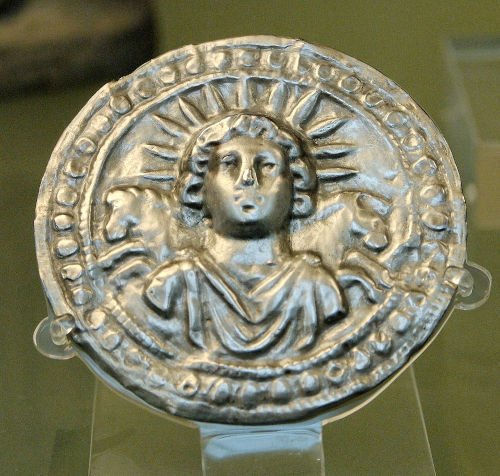
Examples of Regional Festivals with Pagan Roots
Across Europe and beyond, numerous local festivals demonstrate this blending of old and new:
- Imbolc / St. Brigid’s Day (Ireland): The Celtic festival of Imbolc celebrated the goddess Brigid, associated with fire and fertility. When Christianity arrived, she was reimagined as St. Brigid, and her feast day on February 1 preserved many of the original customs, including the making of woven Brigid’s crosses and the lighting of sacred fires.
- Lughnasadh / Lammas (Britain): Originally a harvest festival dedicated to the god Lugh, it became Lammas (“Loaf Mass”), where loaves made from the first grain were brought to church and blessed, echoing ancient offerings to the gods of abundance.
- Santa Lucia Day (Scandinavia): Celebrated during the dark winter months, this festival incorporates ancient sun rituals. Young girls wear crowns of candles, symbolizing light overcoming darkness—once a pagan solstice rite, now connected to St. Lucia, the Christian martyr of light.
- Dia de los Muertos (Mexico): Indigenous rituals honoring ancestors were blended with All Souls’ Day. Altars, offerings of food, marigolds, and sacred visits to graves continue the ancient belief that spirits return to the living world during this sacred time.
These examples show that rather than erasing cultural identity, Christianity often preserved it—transforming existing traditions into new expressions of faith. The saints became bridges between the old world and the new, embodying a seamless fusion of folklore and doctrine.
| Region | Original Pagan Festival | Christian Adaptation | Key Traditions |
| Ireland | Imbolc (Brigid) | St. Brigid’s Day | Making crosses, lighting sacred fires |
| Britain | Lughnasadh | Lammas | Blessing first loaves of grain |
| Scandinavia | Winter solstice / sun rites | Santa Lucia Day | Candles, light festivals |
| Mexico | Indigenous ancestor rites | Dia de los Muertos | Altars, food offerings, marigolds |
The Role of Rituals and Symbols in Religious Transition
When Christianity encountered long-standing pagan traditions, Church leaders understood something profound: symbols hold emotional power. They connect people to their identity, ancestors, and the natural world. To remove these symbols outright would risk resistance and alienation. Instead, the Church chose a path of reinterpretation—keeping familiar symbols but transforming their meaning to reflect Christian values.
This strategy allowed communities to continue celebrating in recognizable ways while gradually aligning their beliefs with the teachings of Christianity. The transition felt natural rather than forced, preserving cultural continuity while introducing new theological messages.
The Power of Shared Cultural Meaning
Symbols act as vessels of collective memory. They speak to people on a level beyond language, conveying truths about life, death, renewal, and hope. Early Christian leaders recognized that pagan communities already had deep emotional ties to seasonal rituals, sacred trees, fire ceremonies, and animal symbols. By embracing these elements instead of suppressing them, the Church fostered unity and familiarity.
The reinterpretation of symbols helped bridge the gap between old and new belief systems. This cultural blending made Christianity not a religion imposed from outside, but a faith that seemed to grow from within the people’s own traditions—strengthening its acceptance and longevity.
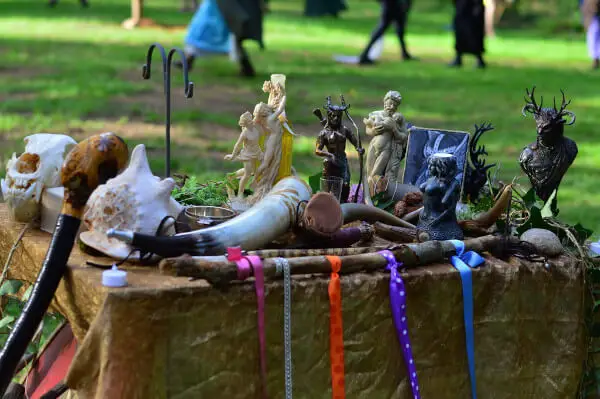
Pagan Objects Rebranded with Christian Significance
Many symbols that once belonged to pagan worship found new life in Christian practice:
- Evergreen Trees: Once revered as a symbol of eternal life in nature worship, evergreens were reinterpreted to represent everlasting life in Christ. This symbolism became central to Christmas traditions.
- The Cross: Although primarily a Christian symbol, its form echoes ancient sun wheels and tree-of-life motifs found in Celtic and Norse cultures. These resonances helped new converts identify with the cross as a continuation of sacred imagery they already understood.
- Water Wells and Springs: Previously sacred to nature deities, these sites were re-dedicated to Christian saints. Visitors continued to seek healing and blessings, now attributed to divine intervention through the saints.
- The Eucharistic Loaf: The Christian ritual of communion, with its bread representing the body of Christ, parallels ancient harvest offerings of the “first fruits” to agricultural gods.
- Candles and Bonfires: Fire, once used in pagan rites to honor the sun and ward off darkness, became a symbol of Christ as the “Light of the World,” central in liturgies, vigils, and seasonal festivals like Candlemas.
These rebranded symbols reveal a greater truth about human spirituality: traditions endure not by resisting change, but by adapting meaning to meet the spiritual needs of each generation.
| Symbol | Pagan Meaning | Christian Meaning | Example Holiday |
| Evergreen tree | Eternal life, fertility | Everlasting life in Christ | Christmas |
| Holly | Protection, fertility | Christ’s crown of thorns | Christmas |
| Egg | Fertility, rebirth | Resurrection and new life | Easter |
| Bonfire | Sun power, purification | Light of Christ, protection | Christmas, St. John’s Day |
| Cornucopia | Abundance, harvest | God’s providence | Thanksgiving / Harvest festivals |
| Masks/Costumes | Confuse spirits, honor ancestors | Halloween traditions | All Hallows’ Eve |
Resistance and Controversy Through the Ages
While many Church leaders saw the blending of pagan customs with Christian theology as a practical path to unity, not everyone agreed. Throughout history, there were waves of resistance from religious reformers who believed that incorporating pagan symbols diluted the purity of Christian worship. Critics argued that certain holiday practices, such as dancing, feasting, or honoring seasonal changes, were remnants of idolatry that distracted from the spiritual core of Christianity. Disputes emerged in sermons, writings, and church councils over whether these customs should be embraced as cultural expressions or condemned as pagan survivals.
Puritan Attempts to Ban Christmas and Other Holidays
During the Reformation, particularly among Puritan communities in England and colonial America, efforts to purify Christianity intensified. Puritans viewed holidays like Christmas as dangerous blends of sacred and profane.
They objected to practices such as decorating with evergreens, singing carols, or holding festive gatherings—customs they recognized as pagan in origin. In 1647, the English Parliament, influenced by Puritan leaders, officially banned Christmas celebrations. Shops were ordered to stay open, churches were closed, and public festivities were outlawed.
Similar actions occurred in early New England, where celebrating Christmas was even punishable by law. These efforts ultimately failed, as public demand for holiday observance outweighed reformist zeal. Yet they reveal deep tensions over how much pagan influence should be allowed in Christian worship.
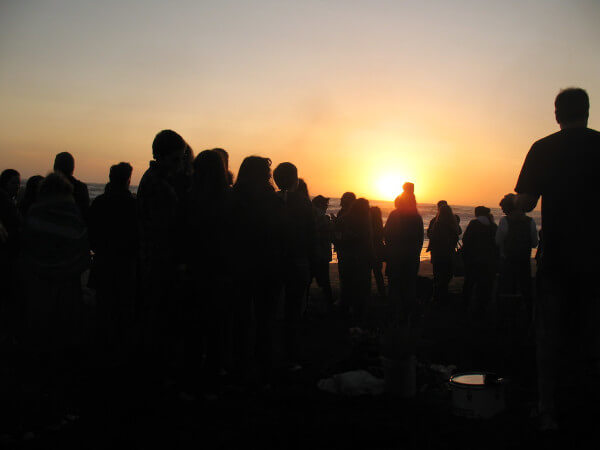
Ongoing Debates Over Authenticity and Tradition
Even today, debates continue within Christian communities about the origins of popular holidays. Some believers question whether practices such as Easter eggs, Christmas trees, or Halloween celebrations are compatible with Christian values, given their pre-Christian roots. Others argue that these customs have been fully transformed and now carry purely symbolic Christian meanings.
These debates reflect a larger question: What makes a religious tradition authentic? Is it the origin of its symbols, or the meaning people assign to them over time? For many, these blended traditions are not a compromise but a testament to the adaptability of faith—proof that spiritual truth can be expressed through the shared language of culture.
Cultural Fusion as a Force for Unity
Blended traditions have historically played a crucial role in unifying diverse communities by creating shared experiences and collective identities. When different cultural and religious practices merge, they foster a sense of belonging and mutual understanding that transcends individual differences. This cultural fusion helps communities to coexist peacefully and strengthens social cohesion by celebrating common values and heritage.
Shared festivities serve as powerful tools for social harmony. Festivals that incorporate diverse customs allow people from various backgrounds to participate together, building bridges across cultural divides. This collective celebration nurtures empathy, respect, and collaboration within multi-ethnic or multi-religious societies.
Religious adaptation through cultural fusion is a historical constant, reflecting humanity’s capacity to evolve spiritually while maintaining cultural continuity. From the blending of indigenous and Christian practices in the Americas to the syncretism of African, European, and Native American traditions in the Caribbean, cultural fusion has been integral to the survival and growth of religions. It illustrates how faiths are not static but dynamically shaped by historical contexts and intercultural encounters, enabling unity amid diversity.
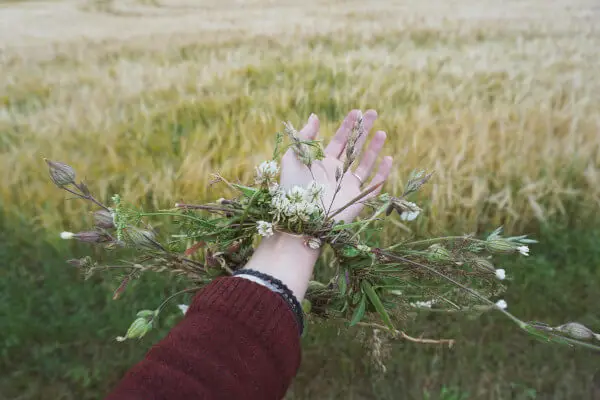
The resurgence of interest in original pagan practices
In recent decades, there has been a growing revival of pre-Christian spirituality, as individuals seek to reconnect with nature-based traditions and ancestral wisdom. Many people are turning to pagan practices not as a rejection of modern religion, but as a response to a longing for ritual, earth-centered spirituality, and personal empowerment. This movement includes the revival of ancient festivals aligned with the solstices and equinoxes, as well as renewed interest in deities, herbal lore, divination, and seasonal living.
Practitioners often emphasize harmony with the natural world, honoring cycles of the earth rather than adhering to a fixed doctrine. This renewed interest also stems from a desire to reclaim indigenous European traditions that were once absorbed or suppressed. What was once considered “superstition” is now being explored as a legitimate spiritual path rooted in history, ecology, and community.
Modern paganism is not an attempt to recreate the past exactly as it was, but to reconnect with its essence—celebrating life, death, renewal, and the sacredness of nature. Interestingly, as people rediscover these older practices, they often gain a deeper appreciation of the shared roots that connect pagan and Christian traditions, revealing them not as opposing forces, but as intertwined branches of humanity’s enduring spiritual journey.
End Words
The enduring fusion of pagan and Christian traditions illustrates the dynamic nature of religious and cultural evolution. Rather than erasing ancient customs, Christianity adapted and reinterpreted them, creating a rich tapestry of shared symbols, festivals, and rituals that resonate across centuries. This blending not only facilitated the spread of Christianity but also preserved the communal and spiritual significance of age-old celebrations tied to nature’s cycles and human experience.
Understanding the pagan roots of many modern holidays deepens our appreciation for cultural continuity and diversity. While some see these origins as controversial, many embrace the coexistence of secular and spiritual meanings, allowing traditions to evolve while retaining their historical essence.
The recent resurgence of interest in original pagan practices highlights a collective desire to reconnect with nature, heritage, and alternative spiritual paths. Ultimately, the interplay between paganism and Christianity reveals how cultural fusion serves as a powerful force for unity, adaptation, and renewal in the human story.
Related Reading: The 8 Major Annual Wiccan Holidays (Sabbats) – Opens in new tab
Stay in Touch
 Join our newsletter by using the forms on this website or click here!
- Follow us on Google News
- Follow us on Facebook



Featured Photo by Dyana Wing So on Unsplash