Sexual magic emerged during a period when Western culture became deeply preoccupied with sex as a source of meaning, power, and personal truth. In the late nineteenth century, sexuality was no longer viewed simply as a private matter or biological function. It was increasingly understood as the central force shaping health, creativity, morality, and identity. Within this cultural environment, occult thinkers began to frame sexual energy as the most potent power available to human beings.
Rather than treating sex as something to be controlled or hidden, sexual magic redefined it as a tool. Orgasm, in particular, was understood as a rare and heightened state of consciousness. In that moment, imagination, desire, and bodily energy were believed to align, allowing the practitioner to direct intention with unusual force. This idea fit neatly into modern beliefs about progress, self-determination, and the authority of personal experience. Power no longer flowed from churches or institutions. It was located within the body and the will.
Secrecy played a crucial role in this development. Sexual magic promised access to hidden knowledge, available only to those willing to cross social and moral boundaries. The combination of forbidden practice and spiritual revelation made sex appear not only powerful, but transformative. The more guarded the secret, the greater its perceived value.
This context also complicates the common image of the Victorian era as sexually repressed. While public morality emphasized restraint, Victorian society was anything but silent about sex. Medical, legal, and scientific literature examined sexual behavior in obsessive detail. Acts labeled as deviant were named, classified, and discussed at length, often under the guise of protecting social order and health.
Sexuality came to be treated as the deepest truth of the individual. It was framed as the hidden engine behind behavior, illness, and desire. Sexual magic did not arise in opposition to this obsession. It emerged from within it. Occult writers transformed the same anxieties that filled medical texts into spiritual systems, replacing diagnosis with initiation and pathology with power.
Seen this way, sexual magic was not simply a rebellion against repression. It was a direct response to a culture already saturated with sexual discourse. By turning sex into a sacred secret rather than a social problem, practitioners reflected the contradictions of modern Western society—where sex was endlessly discussed, carefully controlled, and believed to hold the key to liberation.
Understanding Sexual Magic
Sexual magic goes far beyond symbolic imagery or metaphorical language. It is not simply about representing spiritual union through erotic symbols. In modern Western esoteric traditions, sexual magic refers to the deliberate use of physical sexual acts as a source of real, operative power. Intercourse and orgasm are treated as functional tools rather than poetic gestures. The body itself becomes the ritual space, and sexual energy becomes something that can be directed, focused, and applied.
At the center of this practice is orgasm. Sexual climax is understood as the most intense moment of human consciousness, when physical sensation, emotional charge, and mental focus converge. In this brief interval, practitioners believed the boundary between the material and spiritual worlds thins.
The release of sexual energy was thought to open the individual to cosmic forces, making it possible to influence events, attract desired outcomes, or achieve heightened spiritual insight. This power was not limited to transcendence. Sexual magic was also used for practical goals such as health, financial success, influence over others, and personal vitality.

What distinguishes sexual magic from ordinary sexual experience is intention. Desire alone was not enough. The act required focused purpose. Practitioners were instructed to concentrate fully on a specific aim at the precise moment of climax. This focus transformed sexual release into a directed act of creation. Without intention, orgasm was seen as wasted or even harmful. With intention, it became the engine of magical change.
Imagination played a central role in this process. Sexual magic relied on the belief that imagination itself has creative force. Visualizing a desired outcome during heightened arousal was thought to imprint that image onto reality. The imagination acted as the bridge between inner desire and external manifestation, giving form to the energy released through the body.
Will tied everything together. Sexual magic treated the will as sacred and sovereign. The sexual act became an expression of personal authority, where the practitioner asserted control over their own creative power. In this system, mastery of desire was not achieved through suppression, but through conscious direction. Sex, imagination, and will merged into a single act aimed at transformation rather than pleasure alone.
The Sexual Climate of the Victorian Era
The Victorian era is often remembered as a time of silence and restraint around sexual matters, yet the historical record tells a different story. Rather than avoiding sex, nineteenth-century society spoke about it constantly. Sexuality became a subject of intense fascination across medicine, law, religion, and popular literature. It was discussed openly, though often framed as a problem to be managed, diagnosed, or controlled.
Medical and scientific texts played a major role in shaping this obsession. Physicians and social reformers sought to identify what counted as healthy, productive sexuality and what fell outside acceptable norms. Sexual behavior was categorized with unprecedented precision. Acts such as masturbation, homosexuality, and nonreproductive intercourse were labeled, analyzed, and pathologized. These practices were not hidden from view; they were examined in exhaustive detail, often under the banner of moral protection or public health.
This classification created a powerful divide between what was considered “normal” and “deviant.” Heterosexual, marital sex aimed at reproduction was upheld as natural and socially valuable. Everything else was treated as a threat to physical vitality, mental stability, and social order. Yet the very effort to police desire ensured that these so-called deviations remained highly visible. The more they were condemned, the more attention they received.
Within this framework, sexuality came to be understood as the deepest truth of the individual. It was no longer just something people did. It was something they were. Sexual desire was increasingly seen as the key to understanding personality, morality, and even destiny. To know a person’s sexuality was to know their inner self.
This belief had lasting consequences. By casting sex as the hidden core of human identity, Victorian culture laid the groundwork for both scientific scrutiny and spiritual experimentation. Sexual magic emerged directly from this environment. It drew on the same assumption that sex held ultimate power, but redirected that belief away from pathology and toward transformation.

Ancient and Esoteric Roots of Erotic Power
Long before sexual magic appeared in modern Western esoteric movements, erotic power was already woven into ancient philosophical and mystical systems. Classical thinkers understood desire not as a weakness, but as a fundamental force of attraction that binds the universe together. In Greek philosophy, Eros was more than sexual longing. It was the cosmic principle that draws like toward like, moving souls toward beauty, truth, and unity. Attraction itself was seen as the mechanism through which creation unfolds.
This idea carried forward into later esoteric traditions, where erotic force became closely linked with magical practice. Renaissance thinkers such as Marsilio Ficino and Giordano Bruno described Eros as the invisible current that allows the magician to influence reality. Love, desire, and imagination were not passive emotions. They were active forces capable of shaping the world when properly directed.
Alchemy expanded this understanding even further. Alchemists viewed creation as a sexual process unfolding at both cosmic and human levels. Imagination was believed to possess a “seminal” quality, capable of generating real effects beyond the mind.
Semen, in particular, was treated as a substance imbued with spiritual potency. It was not merely biological fluid, but condensed life force. When combined with focused imagination, it could be used to impress intention onto matter, heal the body, or bring new forms into existence.
This blending of imagination and bodily substance made sexual fluids central to magical thought. Sexual energy was seen as the raw material of transformation, while imagination served as the shaping principle. Together, they mirrored the alchemical process itself: the union of active and passive elements producing something greater than either alone.
Jewish mystical traditions also developed a sophisticated theology of sacred sexuality. In medieval Kabbalah, marital sex was understood as a theurgic act, one that directly affected the divine realm. Sexual union between husband and wife was believed to reunite the masculine and feminine aspects of God, restoring cosmic balance. Human sexuality mirrored divine sexuality, and physical intimacy became a way of healing fractures within the sacred order.
In these systems, sex was never merely physical. It was a ritual act with cosmic consequences. Erotic union served as a bridge between worlds, joining body and spirit, human and divine. Modern sexual magic would later draw heavily from these ancient ideas, reshaping them into explicit practices. But the underlying belief remained the same: erotic power is not incidental to spirituality. It is one of its deepest sources.
Related reading: Shadows of the Night: The Evolution of Lilith in Early Modern Literature – Opens in new tab
Paschal Beverly Randolph and the Birth of Modern Sex Magic
Paschal Beverly Randolph stands at the center of modern sexual magic, not only because of what he taught, but because of the life that shaped those teachings. Born in 1825 to a white father and a formerly enslaved mother of Malagasy descent, Randolph grew up poor, orphaned, and largely self-educated.
His position as a free Black man in nineteenth-century America placed him on the margins of society, and that marginalization deeply informed his spiritual vision. He became a prominent spiritualist, a political activist, and one of the most traveled esoteric thinkers of his era, journeying through Europe, the Middle East, and parts of Asia in search of hidden knowledge.
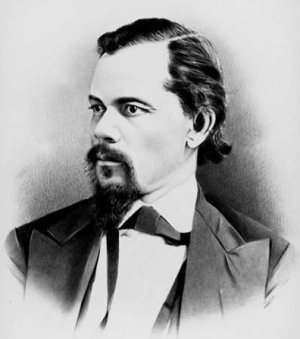
Randolph claimed that his understanding of sexual magic emerged through direct initiation, not abstract theory. He described encounters with Middle Eastern mystical traditions and secret lineages that revealed to him what he called the “White Magic of Love.” Whether literal or symbolic, these experiences reinforced his conviction that sex was the most powerful force available to human beings. From this insight came his core doctrine: sex power is God power. For Randolph, sexual energy was not merely biological or emotional. It was divine energy flowing through the human body.
This belief rested on a highly structured view of polarity. Randolph described the universe as governed by opposing but complementary forces. Male and female bodies, minds, and energies were magnetically aligned in inverse ways. On the physical level, the male sexual organs were considered positively charged and the female negatively charged.
On the mental level, this polarity reversed, with the female mind acting as the active pole and the male mind as the receptive one. Sexual union, therefore, was not accidental or chaotic. It was the precise alignment of cosmic forces within the human form.
Because of this polarity, Randolph insisted that orgasm was the most critical moment in any sexual act. He taught that the instant of climax was when the soul opened most fully to spiritual energies. At that precise moment, intention could be impressed upon reality. However, this power depended on balance. Mutual orgasm was not optional. Both partners needed to reach climax together for the operation to succeed. Without reciprocity, the flow of energy was incomplete and potentially destructive.
Despite his reputation as a sexual radical, Randolph’s system was highly disciplined. Sex was sacred and dangerous at the same time. He rejected casual or purely lust-driven encounters, warning that sex without love and purpose could lead to physical illness, moral decay, and spiritual ruin. Sexual magic, in his view, belonged exclusively within committed, loving relationships, ideally marriage. The act required preparation, emotional harmony, and moral intention.
Randolph’s teachings challenged Victorian norms while simultaneously reflecting them. He elevated sex to a divine status, yet bound it tightly to responsibility and restraint. His system was not about indulgence. It was about control, direction, and reverence. In doing so, he created the first fully articulated framework of modern sexual magic—one that would influence nearly every Western esoteric movement that followed.

Sexual Reform and Social Anxiety
Sexual reform in the nineteenth century was never a calm or neutral project. It unfolded in an atmosphere of deep anxiety about social stability, gender roles, and moral order. Even among advocates of sexual magic and erotic spirituality, marriage was often presented as the only safe and legitimate container for sexual power.
Sexual energy was believed to be extraordinarily potent, capable of healing or destroying depending on how it was used. Marriage offered structure, continuity, and moral restraint. Within it, sex could be elevated, disciplined, and directed toward higher purposes.
This emphasis reflected broader Victorian beliefs. Sexual desire was seen as natural and powerful, but also inherently dangerous if left unchecked. Reformers feared that unregulated sex would undermine the family, weaken male vitality, and destabilize society itself. As a result, even those who spoke passionately about the sacred nature of sex often reinforced traditional marital boundaries. Sexual liberation, in this context, did not mean sexual freedom without limits. It meant restoring sex to what was believed to be its proper, ennobling role.
The idea of free love, however, struck at the heart of these anxieties. Critics associated it with moral chaos, disease, and the collapse of social hierarchy. Free love was portrayed as selfish indulgence masquerading as spiritual insight. It threatened not only marriage, but the economic and moral foundations built upon it. Any movement that appeared to loosen sexual restraints risked being labeled dangerous, immoral, or subversive.
These fears were not abstract. They translated into real consequences. Figures associated with sexual reform and erotic spirituality were frequently targeted by authorities. Arrests for obscenity, accusations of promoting immorality, and public trials became common tools of social control. Even when charges failed to result in convictions, the damage was often done. Reputation alone could be destroyed by scandal.
Public outrage fed on sensationalism. Newspapers framed sexual reformers as corrupters of youth and enemies of decency. Sexual teachings were reduced to lurid caricatures, stripped of nuance and intention. The result was a climate in which conversations about sacred sexuality became inseparable from fear, suspicion, and moral panic.
This tension between reform and repression shaped the development of sexual magic. It forced practitioners to navigate secrecy, caution, and public hostility. Sexual power promised transformation, but it also carried social risk. The anxiety surrounding sex was not a side effect of reform. It was the environment in which reform struggled to survive.

From Love to Sex: A Cultural Shift
During the late nineteenth century, Western ideas about love underwent a noticeable transformation. Earlier ideals emphasized restraint, companionship, and moral harmony. Love was often described as spiritual, elevating, and separate from physical desire. Sexuality existed within marriage, but it was rarely framed as central to emotional connection. This older model began to lose influence as new ways of understanding intimacy took hold.
Sex gradually moved from the margins of love to its center. Physical desire was no longer seen as something love merely tolerated. It became one of its primary expressions. Sexual pleasure started to function as evidence that a relationship was authentic, healthy, and emotionally real. Without sexual satisfaction, love itself was increasingly viewed as incomplete or flawed.
This shift was reinforced by medical and psychological thought. Experts began to argue that sexual fulfillment was essential to personal well-being. Frustrated desire was blamed for nervous disorders, emotional instability, and unhappiness. Pleasure, once treated with suspicion, was redefined as necessary and even therapeutic. Sexual harmony became a marker of relational success.
As a result, definitions of fulfillment changed. Happiness was no longer tied solely to duty, faith, or moral character. It became linked to personal satisfaction, emotional intensity, and embodied experience. Love was expected to feel good, not just be good. This expectation placed new pressure on intimate relationships and elevated sex to a defining role in personal identity.
These changes created fertile ground for sexual magic. If sex revealed the truth of love, then it could also reveal deeper truths about the self and the universe. Erotic intensity became a gateway to meaning. Sexual magic did not invent this shift. It drew power from it, offering structured ways to harness what culture had already begun to treat as the ultimate source of fulfillment.

The Spread of Sexual Magic to Europe
Randolph’s ideas did not remain confined to the United States. Through publications, private correspondence, and personal contacts, his teachings circulated across Europe, where they found a receptive audience among occultists seeking practical methods rather than abstract philosophy.
European esoteric circles were already exploring magnetism, mesmerism, and spiritual forces operating through the body. Randolph’s system offered something new: a structured, explicit framework that placed sexual union at the center of magical practice.
These ideas were absorbed and adapted rather than copied wholesale. European occultists reworked Randolph’s teachings to fit their own symbolic languages and initiatory traditions. Sexual magic became less tied to American spiritualism and more integrated into Hermetic, Rosicrucian, and ceremonial frameworks. The emphasis shifted from public reform to secret initiation, reinforcing the idea that sexual power was too dangerous or potent for general exposure.
The Hermetic Brotherhood of Luxor played a key role in this transmission. Operating as a loosely organized occult network rather than a single institution, the Brotherhood promoted practical magic aimed at personal transformation and mastery of hidden forces. Sexual polarity and erotic magnetism were central to its teachings. Members were instructed that true magical power arose from the harmonious interaction of opposing energies, most fully realized through sexual union.
Within this system, sex was framed as a sacred operation with cosmic implications. Sexual union was believed to mirror the structure of the universe itself, where creation depended on the interaction of complementary forces. When performed consciously and with discipline, erotic union allowed practitioners to realign themselves with divine order. It was not about indulgence. It was about restoration.
This idea of divine reintegration drew on older mystical themes while giving them a distinctly modern form. Human sexuality was no longer seen as a barrier to spiritual ascent. It became the means by which spiritual wholeness could be recovered. Through controlled erotic practice, practitioners sought to reunite what had been divided—body and spirit, matter and divinity.
In Europe, sexual magic thus evolved into a quiet but influential current within Western occultism. It retained Randolph’s core insight about sexual power, while embedding it within secret societies and initiatory paths. This shift ensured its survival and expansion, even as public scrutiny and moral panic continued to surround the subject of sex.
Aleister Crowley and Radical Sexual Freedom
Aleister Crowley entered the world of sexual magic as both an inheritor and a disruptor. Raised within a rigid Christian environment defined by strict moral codes, he reacted forcefully against what he saw as repression disguised as virtue. Christian morality, in his view, had turned sex into a source of guilt and fear, severing it from joy, power, and spiritual meaning. His rebellion was not quiet or subtle. It was deliberate, provocative, and uncompromising.
Crowley rejected the idea that holiness required restraint or denial. Instead, he argued that repression distorted human nature and weakened the individual. Sexual desire, when suppressed, did not disappear. It became twisted. By confronting taboo directly, Crowley believed one could reclaim lost power and restore wholeness. This approach marked a sharp break from earlier sexual reformers who sought balance within traditional structures.
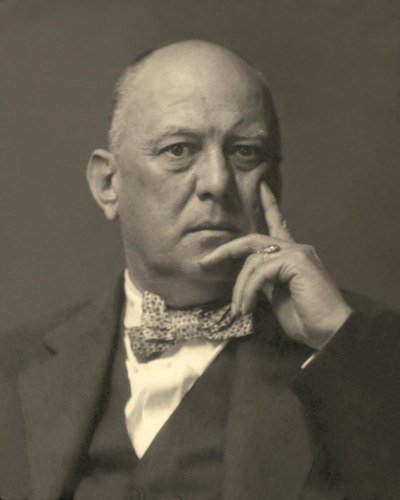
At the center of Crowley’s philosophy stood the Law of Thelema. Its core principle—Do what thou wilt—was not an endorsement of impulse or chaos. It referred to the discovery and execution of one’s True Will, a unique spiritual purpose inherent in every individual. Sexuality played a central role in this process. Sex was not merely pleasurable or reproductive. It was a primary means through which the True Will could be expressed and realized.
In Crowley’s system, sex became sacramental. Sexual acts were transformed into rituals charged with symbolic and energetic meaning. What Christianity labeled as sinful, Crowley reframed as sacred when performed in alignment with will and intention. There was no inherently impure act. Only unconscious or dishonest ones. By stripping sex of moral judgment, he sought to restore it as a direct channel to spiritual insight.
This radical reframing allowed Crowley to push sexual magic beyond the boundaries set by his predecessors. He treated sex not as something to be carefully contained, but as something to be fully explored. The shock this produced was intentional. Transgression itself became a tool, forcing practitioners to confront internalized fear and social conditioning.
Through this lens, sexual freedom was not about indulgence. It was about sovereignty. Sex, when aligned with will, became an act of self-definition and spiritual authority. Crowley’s influence permanently altered the landscape of Western occultism, shifting sexual magic from disciplined reverence toward radical liberation.
The Ordo Templi Orientis and Secret Sexual Rites
Within Aleister Crowley’s system, the Ordo Templi Orientis (O.T.O.) became the primary vehicle for institutionalizing sexual magic. Unlike earlier occult groups that hinted at erotic symbolism, the O.T.O. placed sex at the core of its initiatory structure.
Teachings were organized into graded degrees, each revealing deeper layers of sexual knowledge. Advancement was not based on belief alone, but on the gradual exposure to increasingly guarded practices. Sexual secrets were treated as powerful technologies, accessible only through initiation and oath-bound discretion.
These teachings framed sexual acts as precise magical operations. Masturbation, heterosexual intercourse, and other practices were assigned specific ritual functions depending on the degree. Each act was understood as a method for concentrating and directing magical force. What mattered was not the act itself, but how it was performed, when, and with what intention. Sexuality became a language of power, governed by rules rather than impulse.

Heterosexual magic occupied a central position, particularly acts that produced sexual fluids. These were believed to contain condensed life force and were treated as sacramental substances. When combined with focused intention, sexual fluids were thought to serve as vehicles for magical will, capable of charging talismans, empowering rituals, or imprinting desire onto reality. This idea drew from earlier alchemical and esoteric traditions but was presented in a far more explicit form.
The O.T.O. also incorporated homosexual rites, a move that deliberately violated prevailing moral norms. At a time when same-sex desire was criminalized and pathologized, these practices were framed as spiritually valid and magically potent. Their inclusion was not incidental. Forbidden acts were believed to carry heightened power precisely because they challenged social conditioning and internalized fear. Transgression itself became a mechanism for transformation.
Secrecy amplified the effect. By concealing these rites within initiatory layers, the O.T.O. reinforced the idea that sexual knowledge was dangerous in unprepared hands. The combination of taboo, ritual structure, and spiritual promise created a system where sex functioned as both sacrament and weapon. Through the O.T.O., sexual magic reached its most formalized and controversial expression, reshaping Western occultism in ways that continue to provoke fascination and unease.
Check out our recommendations at “Occult Bookshelf” and many free resources at our “Free Library“
Transgression as a Source of Power
Transgression occupied a central place in modern sexual magic, not as recklessness, but as method. Practitioners believed that spiritual power was locked behind deeply ingrained social prohibitions. Taboos were not arbitrary rules. They were psychological barriers that shaped fear, guilt, and obedience. By crossing them consciously, individuals could access forms of energy unavailable through socially approved behavior.
Breaking sexual taboos was understood as a way of disrupting internal conditioning. Acts labeled immoral or dangerous carried heightened emotional charge. Shame, excitement, fear, and desire converged in these moments, producing intense states of awareness. Sexual magic sought to harness that intensity. When combined with intention and control, transgression became a catalyst for transformation rather than collapse.
Nonreproductive sex held particular significance. Victorian culture framed sexuality around utility: marriage, reproduction, and social stability. Any sexual act that failed to serve these ends was considered wasteful or pathological. Sexual magicians reversed this logic. They argued that sex divorced from reproduction released energy for higher purposes. Pleasure without procreation became an act of rebellion against biological and social determinism.

This rejection of sexual utility was not casual indulgence. It was symbolic defiance. By refusing to subordinate sex to productivity, practitioners asserted sovereignty over their bodies and desires. Nonreproductive acts were seen as freeing sexual energy from its assigned role, allowing it to be redirected toward magical, spiritual, or creative aims.
Ritual inversion amplified this effect. Behaviors condemned by society were deliberately elevated within ritual space. What was forbidden became sacred. What was hidden became central. These inversions disrupted conventional moral hierarchies and created altered states of consciousness. Ecstatic excess, when carefully framed, dissolved ordinary identity and opened access to what practitioners believed were deeper layers of the self.
In this context, transgression was not chaos. It was strategy. By stepping outside accepted norms, sexual magic sought to reclaim power from institutions that defined virtue and vice. The shock of crossing boundaries was meant to awaken, not destroy. Through taboo, practitioners pursued liberation, intensity, and a direct encounter with forces they believed lay beyond the limits of respectable life.
Tantra Enters the Western Imagination
Tantra entered the Western imagination through fragments rather than full understanding. In its original religious contexts, Tantra was a broad and complex spiritual system rooted in Hindu and Buddhist traditions. It addressed ritual, cosmology, meditation, mantras, bodily discipline, and the transformation of consciousness.
Sexual practices existed within some Tantric paths, but they were neither universal nor central. When present, they were highly structured, symbolic, and embedded within strict ethical and initiatory frameworks.
Western audiences, however, encountered Tantra selectively. Translators, travelers, and occult writers focused almost exclusively on its most provocative elements. Sexual rites, sacred union, and bodily power captured attention, while philosophical depth and ritual discipline were often ignored. Tantra was reduced from a comprehensive spiritual system to a shorthand for sacred sex. This narrowing reflected Western obsessions more than Eastern realities.

The fixation made sense within the cultural climate of the time. Western esoteric traditions were already exploring sexual magic, erotic polarity, and orgasmic power. Tantra appeared to offer ancient validation for these ideas. It seemed to confirm that sexuality had always been a legitimate spiritual path, not a modern invention or moral deviation. As a result, Tantra was reframed as proof that sex and enlightenment were naturally linked.
Occultists did not simply adopt Tantra. They adapted it. Tantric concepts were blended with Hermetic symbolism, ceremonial magic, and theories of sexual energy already circulating in Europe and America. Eastern terminology was layered onto Western frameworks of will, polarity, and initiation. The result was a hybrid system that owed as much to Western occultism as it did to Indian spirituality.
This blending transformed Tantra into something new. It became less about liberation from illusion and more about personal empowerment. Sexual ritual was recast as a tool for self-divinization, magical influence, and psychological breakthrough. While this version of Tantra bore limited resemblance to its original forms, it fit seamlessly into modern sexual magic.
Through this process, Tantra became a mirror. It reflected Western desires, anxieties, and spiritual longings back to themselves. What was embraced was not Tantra as it existed, but Tantra as it was needed—a language that sanctified sex, validated transgression, and promised transformation through the body.
Pierre Bernard and American Tantra
Pierre Bernard played a decisive role in shaping how Tantra was understood in the United States, largely through careful self-construction. He reinvented himself as the “Omnipotent Oom,” a figure presented as an Eastern-trained yogi possessing ancient and forbidden wisdom.
This persona was not accidental. It combined exotic authority, spiritual mystery, and personal charisma, allowing Bernard to position himself as a legitimate gatekeeper of secret knowledge. His claims of initiation in India, though widely disputed, were central to establishing credibility in a culture eager for Eastern enlightenment.
Bernard’s version of Tantra emphasized power, mastery, and embodied spirituality. Rather than presenting himself as a scholar or translator, he performed authority. Robes, rituals, and secrecy reinforced the impression that his teachings were dangerous, rare, and transformative. The image of the Omnipotent Oom attracted attention precisely because it promised access to truths unavailable through conventional religion or medicine.
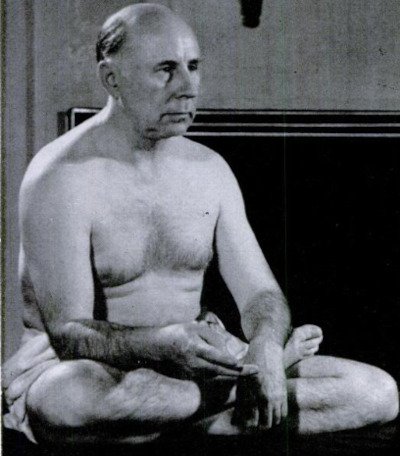
This authority was institutionalized through the founding of the Tantrik Order in America. The Order functioned as both a spiritual school and a closed society. Tantra was taught not as a philosophy, but as a lived discipline involving the body, breath, movement, and, for select initiates, sexual rites. Bernard framed these practices as ancient science rather than mysticism, aligning them with contemporary interests in health, vitality, and self-improvement.
Secrecy was essential to the Order’s structure. Knowledge was distributed gradually, according to rank and perceived readiness. Initiation marked entry into deeper levels of instruction, reinforcing loyalty and control. Hierarchy ensured that power flowed downward from Bernard, while mystery sustained devotion. Sexual teachings, when present, were never public. Their concealment heightened both their perceived potency and their social risk.
This model mirrored broader patterns within Western occultism. Tantra was not offered as a universal path. It was reserved for those deemed worthy. Through secrecy, hierarchy, and controlled access, Bernard transformed Tantra into an elite spiritual technology. In doing so, he helped fix its American image as a hidden system of power rather than a public religious tradition.
Related reading: Beyond the Shadows: How Occultism Shaped Politics, Science, and Social Change – Opens in new tab
The Body as the Highest Temple
In modern sexual magic and American Tantra, the body was no longer treated as an obstacle to spiritual growth. It became the primary site of worship. Spiritual practice shifted away from abstract belief and toward direct physical experience. Movement, posture, breath, and sensation were understood as ways to access higher states of awareness. Yoga, controlled motion, and ritualized sexuality functioned as methods for awakening dormant energies within the body itself.
Worship through movement emphasized presence. Every gesture was meant to be intentional. The body was trained to become sensitive, responsive, and aligned. Yoga was not presented merely as exercise, but as a system for cultivating power, balance, and internal control. Sexual acts, when included, followed the same logic. They were structured, deliberate, and infused with meaning. The body became both instrument and altar.
Pleasure played a central role in this transformation. Rather than being viewed as a distraction or temptation, pleasure was redefined as a gateway to spiritual realization. Intense sensation focused attention, dissolved mental resistance, and drew consciousness fully into the present moment. In this state, practitioners believed they could encounter deeper truths about themselves and reality. Pleasure was not the goal, but the doorway.

This perspective challenged centuries of moral teaching that framed pleasure as suspicious or corrupting. Sexual magic and Tantra rejected the idea that suffering was necessary for spiritual growth. Instead, they proposed that joy, vitality, and embodied intensity could lead just as effectively—if not more so—to insight and transformation.
Central to this shift was the rejection of bodily shame. Shame was seen as a learned response imposed by religious and social authority. It fractured the relationship between mind and body, turning natural impulses into sources of guilt. By confronting and dismantling shame, practitioners aimed to reclaim wholeness. Accepting the body meant accepting desire, sensation, and physical reality as sacred rather than sinful.
This revaluation of the body had profound implications. It redefined spirituality as something lived rather than believed. The divine was not distant or abstract. It was experienced through flesh, breath, and movement. By treating the body as the highest temple, sexual magic grounded spiritual power in the most immediate reality available—the human form itself.
Sexual Spirituality Meets Capitalism
As sexual spirituality gained visibility in the United States, it increasingly intersected with wealth and social status. Tantra, in particular, was marketed not as a mass religion but as an elite discipline. Access was often limited to those who could afford private instruction, membership fees, or exclusive retreats. This positioning transformed spiritual practice into a luxury experience, available primarily to the wealthy and well-connected.
Affluent patrons were drawn to the promise of secret knowledge paired with physical vitality. Tantra was presented as a way to enhance health, attractiveness, and personal power, benefits that aligned closely with elite concerns about longevity and distinction. Spiritual mastery became another marker of refinement, something to be cultivated alongside education, culture, and influence. The more expensive and exclusive the teaching, the more valuable it appeared.

Money functioned as a gatekeeper. Financial commitment was framed as proof of seriousness and readiness. Those who could pay were assumed to be disciplined, evolved, and worthy of advanced instruction. This logic reinforced hierarchy while disguising inequality as spiritual merit. Access to higher truths became inseparable from economic privilege.
At the same time, erotic spirituality merged with emerging self-improvement culture. Sexual energy was rebranded as a resource that could be optimized. Tantra promised better relationships, increased confidence, and heightened performance in both personal and professional life. Spiritual growth was no longer separate from success. It was presented as a tool for achieving it.
This shift reshaped the meaning of liberation. Rather than challenging social structures, sexual spirituality often adapted to them. Transformation became personal rather than collective. The goal was not to overturn systems of power, but to thrive within them using newly discovered inner resources.
Through this process, sexual spirituality entered the marketplace. Desire, pleasure, and transcendence were packaged as services. While the language remained mystical, the structure reflected capitalism’s core values: exclusivity, investment, and return. Erotic self-improvement became both a spiritual pursuit and a commercial product.
Sexual Magic as a Reflection of Modernity
Sexual magic reflects some of the deepest assumptions of modern Western culture, especially the elevation of the individual as the ultimate source of meaning and authority. Rather than locating the divine in external institutions, traditions, or hierarchies, sexual magic places it within the self. Desire, will, and bodily experience become sacred forces. The practitioner is not a passive recipient of grace, but an active creator. This shift toward self-divinization mirrors modern ideas about autonomy, authenticity, and personal truth.
In this framework, transformation is something one does, not something one waits for. Sexual magic aligns closely with modern faith in progress—the belief that human beings can improve themselves through knowledge, technique, and experience. Spiritual growth is framed as a process of refinement and expansion. By mastering sexual energy, individuals believe they can evolve beyond inherited limitations and reshape their inner and outer lives. Freedom is defined not by obedience, but by conscious choice.
Personal transformation becomes the central goal. Sexual magic promises direct results rather than distant salvation. Change is meant to be felt in the body, emotions, and daily life. This emphasis on immediacy reflects a broader modern impatience with abstract ideals. Meaning must be experienced. Truth must be lived. The body becomes the site where progress is measured.
These ideas did not remain confined to occult circles. Sexual magic anticipated themes that would later emerge more openly in the twentieth century. The rejection of sexual shame, the emphasis on pleasure, and the belief that sexuality is essential to personal identity all foreshadow later sexual revolutions. What was once secret and initiatory would eventually become cultural debate.
In this sense, sexual magic was not an escape from modernity. It was one of its expressions. It absorbed modern values—individualism, freedom, and self-determination—and pushed them to their limits. By treating sex as a tool of self-creation, sexual magic revealed how deeply modern culture had come to believe that transformation begins within.
Related reading: The Fascinating Connection Between Modern Magic and Psychology – Opens in new tab
Conclusion: The Ambiguous Legacy of Sexual Magic
Sexual magic leaves behind a legacy that is difficult to judge in simple terms. On one hand, it offered a powerful language of liberation. It challenged shame, rejected inherited guilt, and insisted that the body and its desires could be sources of meaning rather than obstacles to it. For many, this reframing opened paths toward self-knowledge, confidence, and a sense of personal agency that traditional moral systems denied.
At the same time, liberation often blurred into fixation. By placing extraordinary weight on sex as the primary engine of transformation, sexual magic risked narrowing spiritual life rather than expanding it. When pleasure, intensity, and transgression become constant goals, freedom can quietly turn into compulsion. What was meant to free desire could also bind it, making sex carry expectations it could never fully satisfy.
This tension helps explain why sex remains one of modern culture’s deepest secrets. It is endlessly discussed, displayed, and analyzed, yet still treated as something capable of revealing ultimate truth. Sexual magic did not create this contradiction. It exposed it. By insisting that sex holds the key to power, identity, and transcendence, it mirrored a broader cultural belief that meaning is hidden in the most intimate parts of the self.
What sexual magic ultimately reveals about Western culture is its persistent search for transformation without surrender. It reflects a desire for transcendence grounded in personal experience rather than collective tradition. It shows how modern society sacralizes individuality, intensity, and choice, even as it struggles with excess and ambiguity.
Sexual magic endures not because its promises were ever fully fulfilled, but because it articulated something deeply modern: the hope that by mastering desire, one might finally master life itself.
Source: Urban, H. Magia Sexualis. https://doi.org/10.1093/JAAREL/LFH064
Check out our recommendations at “Occult Bookshelf” and many free resources at our “Free Library“
Stay in Touch
 Join our newsletter by using the forms on this website or click here!
- Follow us on Google News
- Follow us on Facebook



Featured image by deselect from Pixabay